
This summer, Mammoth Lakes Recreation’s Stewardship Ambassador has been out at lakes throughout the region connecting directly with boaters, anglers, paddlers, and other water recreationists about one important message: Clean, Drain, and Dry.
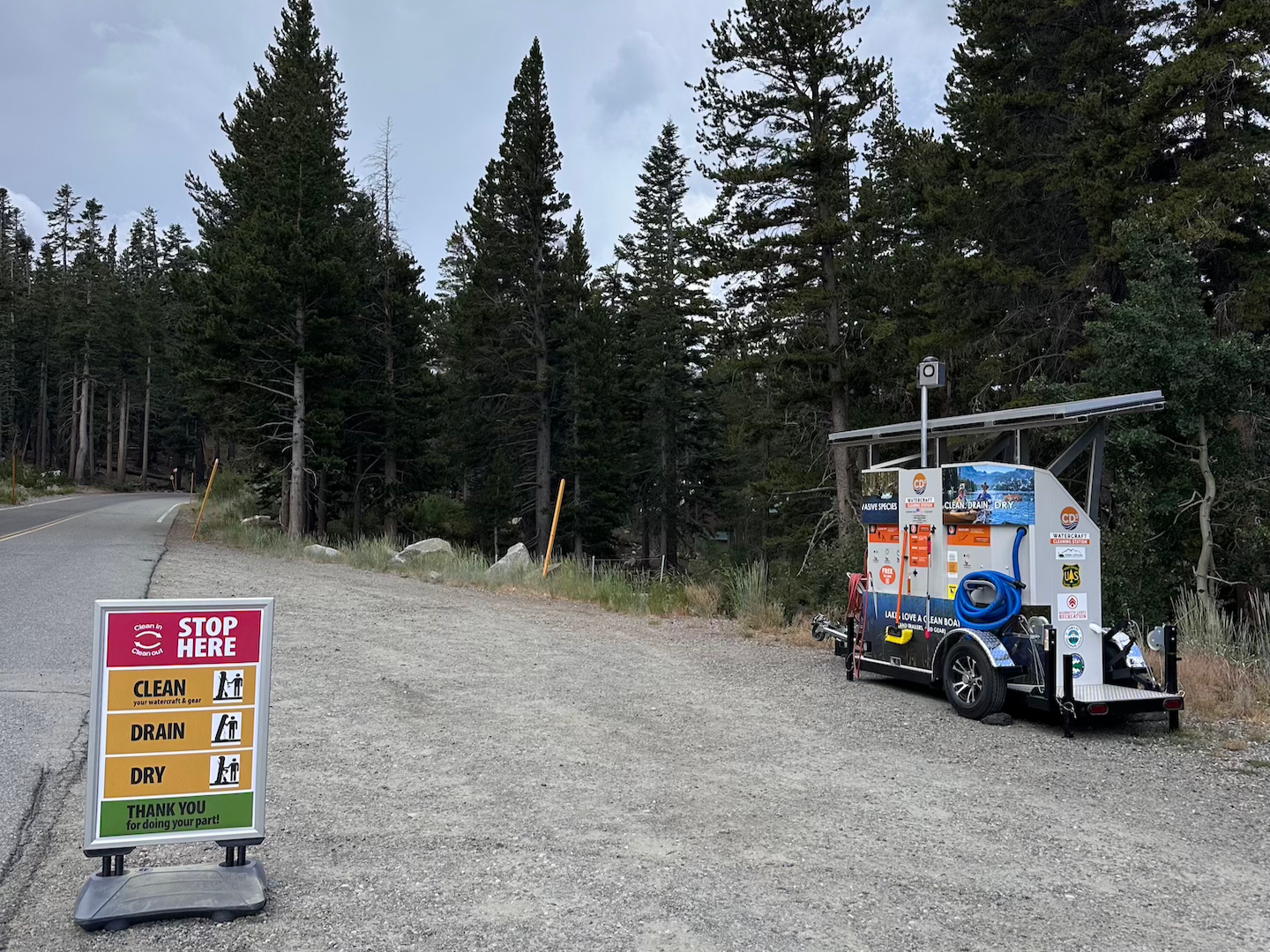
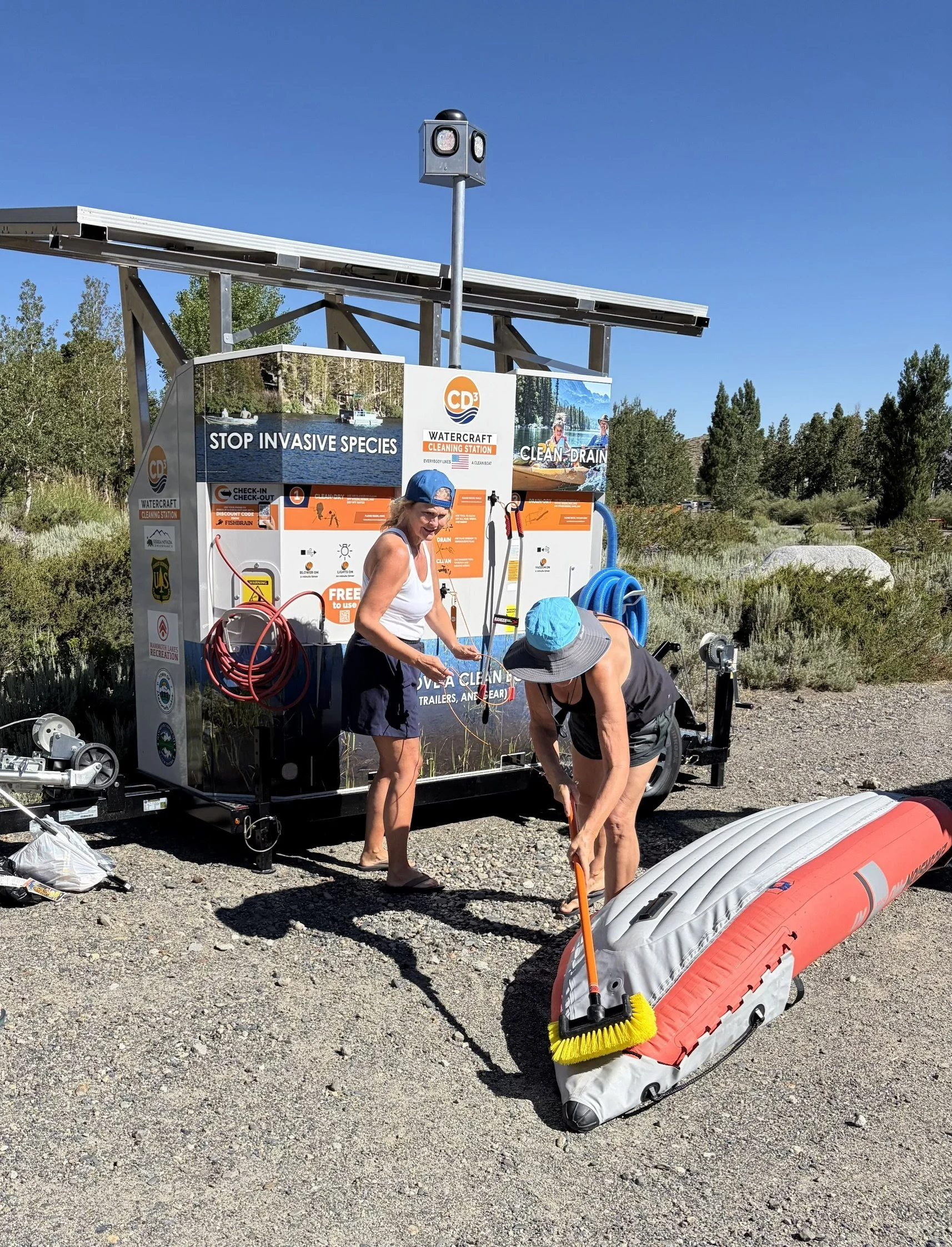
As part of MLR’s aquatic invasive species (AIS) prevention efforts, the Stewardship Ambassador is helping educate lake users about the threat invasive species pose to Eastern Sierra waters and demonstrating how to use the new CD3 (Clean, Drain, Dry, Dispose) stations now available in the region at Convict Lake, Mammoth Lakes Basin, and June Lake Junction.
Special thanks to the MLR Board for allocating Measure U Special Project funds to support this effort!
PREVENTION STARTS WITH ALL OF US
Aquatic invasive species can be transported from one body of water to another on boats, trailers, kayaks, paddleboards, fishing equipment, waders, and other gear. Even small amounts of water or material left behind can create an opportunity for invasive species to hitch a ride.
That makes prevention especially important in the Eastern Sierra, where our lakes and waterways are central to recreation, local communities, tourism, and the health of the surrounding environment.
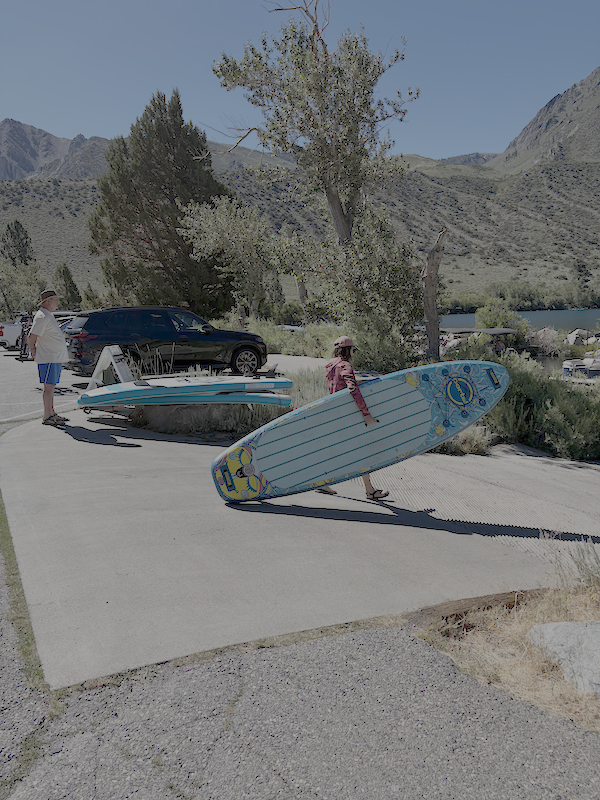
MLR’s Stewardship Ambassador has been meeting people where recreation happens—at lakes, boat launches, and other high-use areas—to talk about simple best practices:
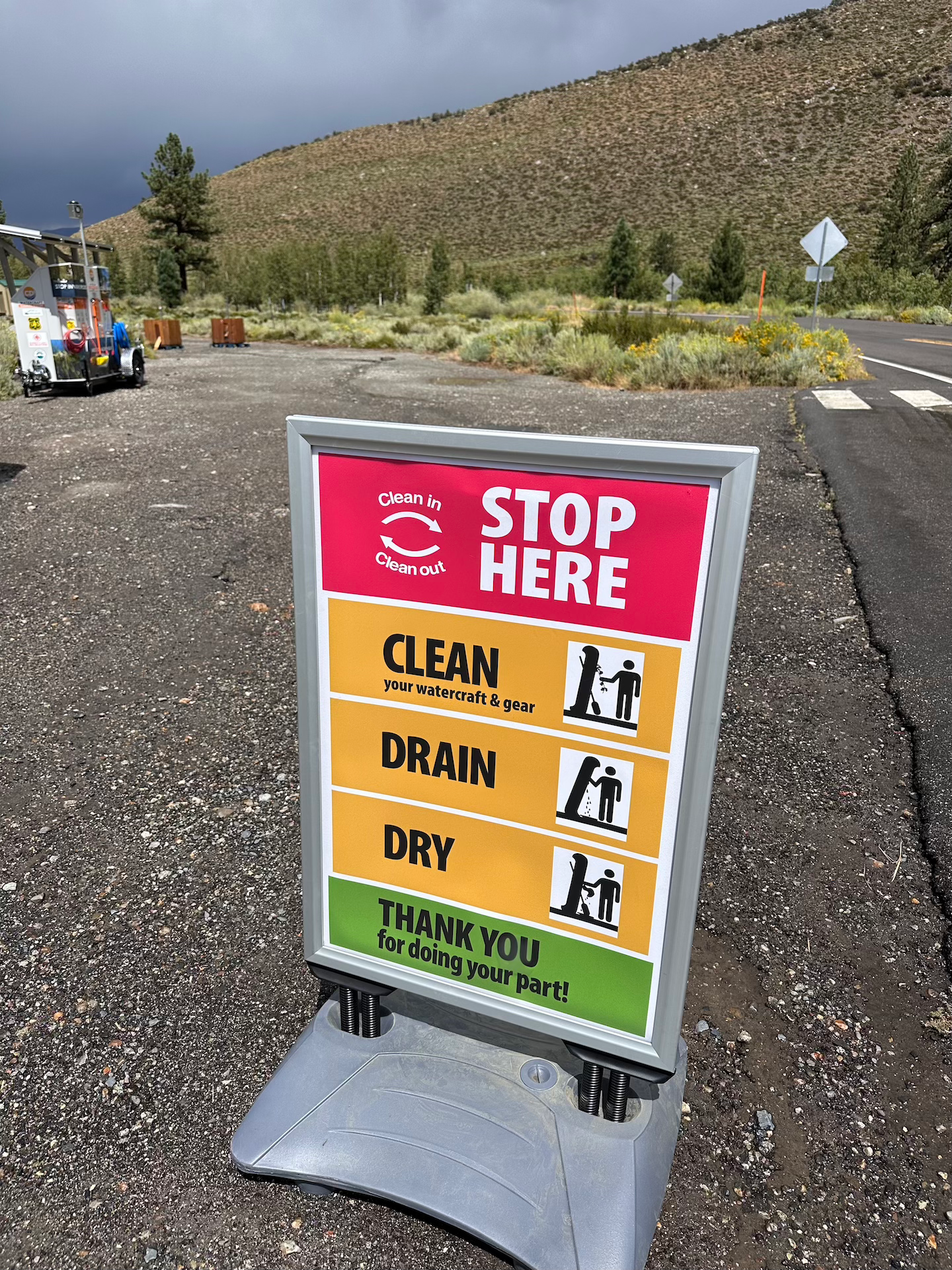
CLEAN boats, trailers, equipment, and gear to remove plants, mud, debris, and other material.
DRAIN all water before leaving a lake or waterway, including live wells, bilges, buckets, coolers, and other areas that can hold water.
DRY boats and equipment thoroughly before entering another body of water.
Never move water, plants, animals, or other aquatic material from one waterbody to another.
Take a few extra minutes to inspect your gear before your next adventure.
PUTTING NEW CD3 STATIONS TO WORK
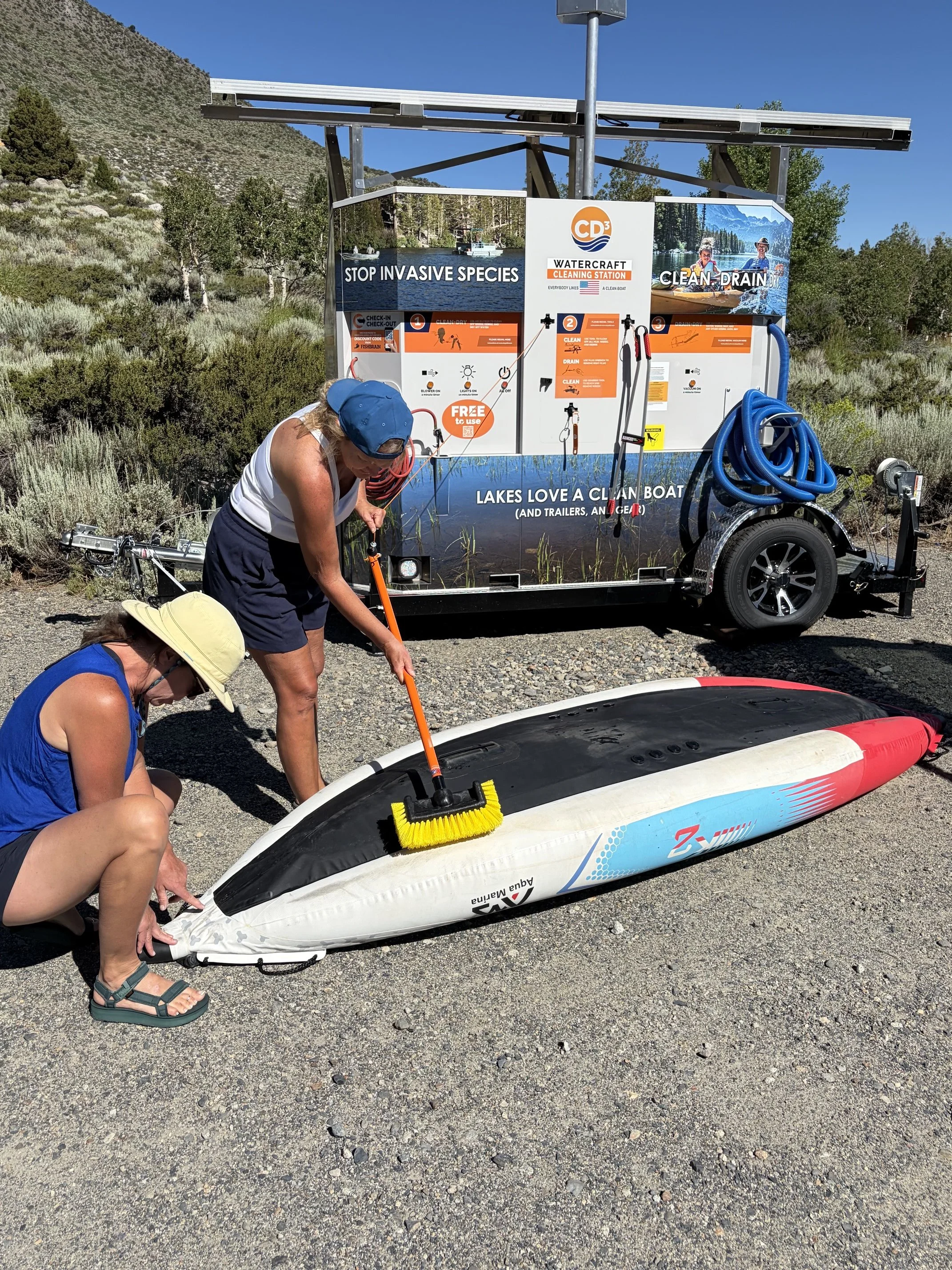
With funding from the Sierra Nevada Conservancy, MLR purchased three CD3 self-service stations for the Eastern Sierra. These water-less, solar-powered, stations give recreationists access to tools specifically designed to help clean, drain, dry and dispose of AIS on watercraft and equipment before they move on to another waterbody.
But installing the equipment is only part of the effort. Having our Stewardship Ambassador in the field gives us an opportunity to show people how and why to use the stations, answer questions, and make AIS prevention a normal part of recreating on our lakes.
This work has become even more important with the emergence of golden mussels in California. Once an invasive species becomes established in a waterbody, managing its impacts can be difficult and costly. Prevention is one of the most effective tools we have to protect the Eastern Sierra.
PROTECTING THE PLACES WE LOVE
Our lakes are more than recreation destinations. They are part of what defines the Eastern Sierra and support our communities, local economy, wildlife, fisheries, and quality of life. Protecting them takes all of us.
Whether you’re launching a boat, heading out on a paddleboard, kayaking, fishing, or moving gear between lakes, remember to Clean, Drain, and Dry every time. A few extra minutes can make a meaningful difference in protecting Eastern Sierra waters for generations to come.
GET INVOLVED
Want to help protect the places you love?
Join MLR as a volunteer or make a donation to support our stewardship work. Your support helps put Stewardship Ambassadors in the field, provides resources for community education and outreach, and strengthens hands-on efforts to care for the trails, lakes, and public lands we all enjoy.
Volunteer your time. Support local stewardship. Help protect the Eastern Sierra.
Together, we can make sure the places that give so much to our community receive some care in return.
About Mammoth Lakes Recreation
Formed in 2014, Mammoth Lakes Recreation’s mission is to deliver cutting edge sustainable recreation, mobility, and arts & culture opportunities and infrastructure for the benefit of the community and natural environment of Mammoth Lakes. For more information, go to www.mammothlakesrecreation.org.